Persian culture: art, traditions and daily life
Persian culture brings together poetry, architecture, decorative arts, hospitality and a refined domestic sense of beauty. Rugs, miniatures, ceramics and inlaid objects are not simply ornamental pieces: they are material expressions of a long cultural history. For visitors discovering Shahmansouri in Verona, this wider background helps explain why Persian rugs and crafts carry such a distinctive visual language.
In the Persian world, aesthetics are closely tied to everyday life: the home, the table, the garden, the festival and the gift all follow an idea of balance and grace. This page offers a clear introduction to some essential themes, including Nowruz, hospitality, cuisine, religious plurality and a few useful Persian words.
Nowruz and the idea of renewal
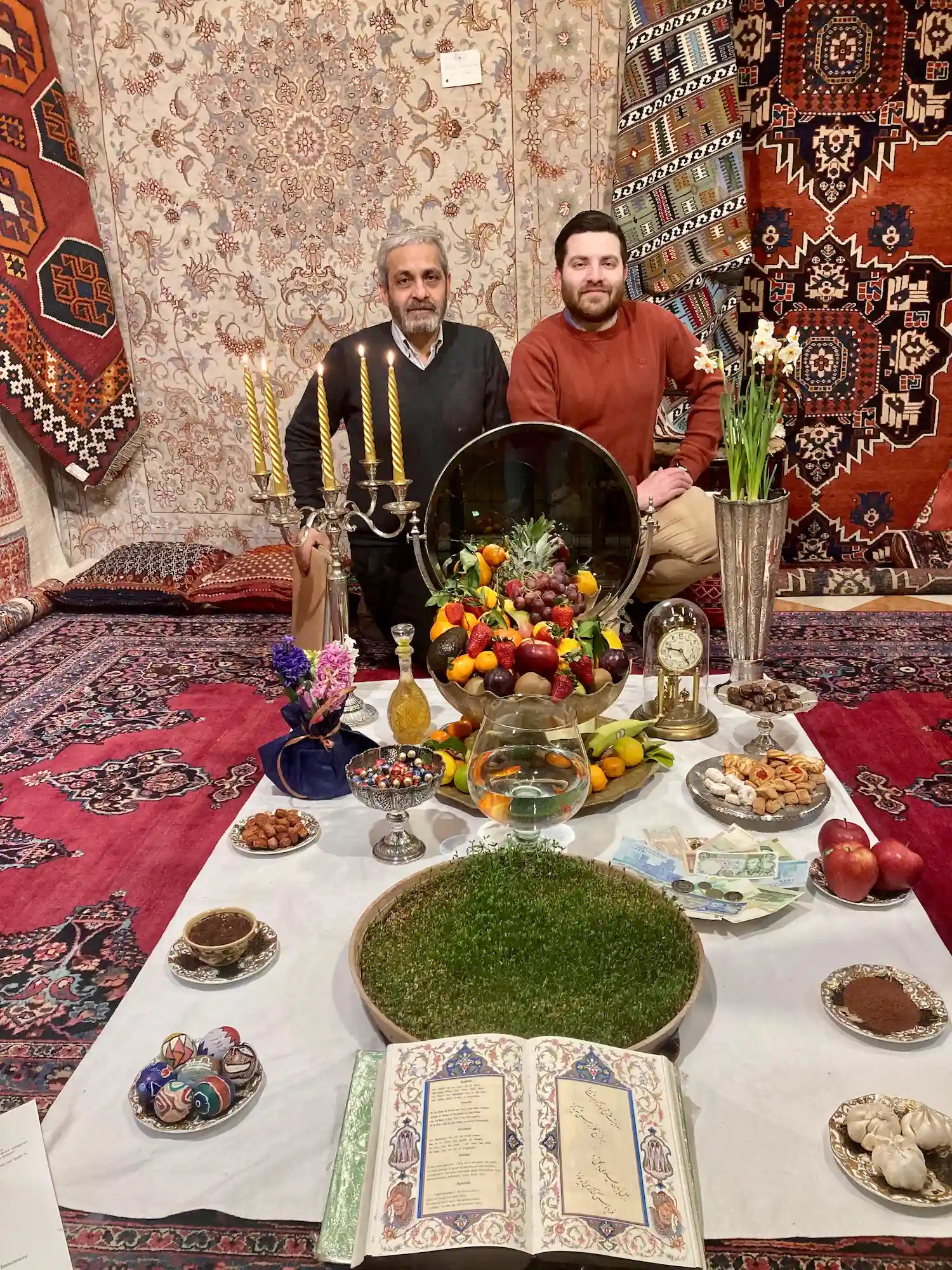
Nowruz, meaning “new day”, coincides with the spring equinox and marks the beginning of the Persian year. It is an ancient celebration shared across much of the Iranian cultural sphere, placing renewal, light, family and the home at the centre of the festive cycle. Before the new year begins, houses are cleaned, textiles are refreshed and gifts are prepared.
A key part of the celebration is the Haft-Sin table, where seven symbolic elements beginning with the Persian letter “sin” are arranged together with mirrors, candles, fruit, coins and coloured eggs. The composition represents health, abundance, continuity and good fortune. Its visual elegance also reveals something important about Persian culture: symbolism and decoration often work together rather than separately.
The festive period lasts thirteen days and includes family visits, shared meals and outdoor gatherings. On the thirteenth day, known as Sizdah Bedar, people go out into nature and return the sprouted greens of the Haft-Sin to the earth, closing the cycle with a gesture of renewal.
Popular traditions and festive atmosphere
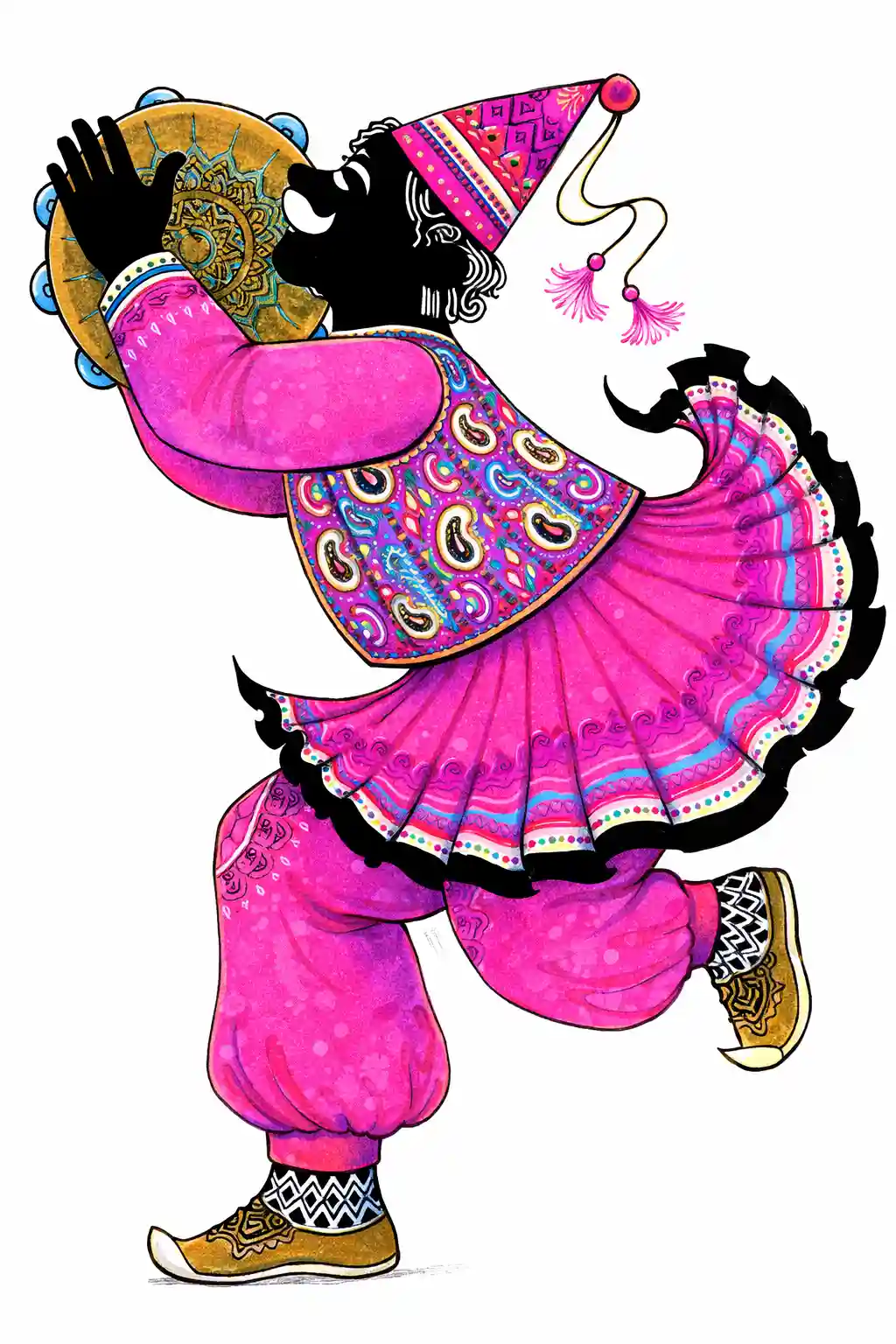
One of the best known figures associated with the season is Haji Firuz, dressed in red and moving through the streets with songs, rhythm and playful announcements of spring. His presence captures the theatrical and collective side of celebration in Persian culture.
Another meaningful occasion is Chaharshanbe Suri, observed on the eve of the last Wednesday of the year. Small fires are lit and traditionally people jump over the flames as a symbolic act of purification and transition into the new cycle. These customs preserve an old relationship with light, energy and renewal.
In this context of visits, gifts and domestic preparation, the role of the rug inside the home becomes clearer. A Persian rug is not only decorative; it is part of how hospitality is expressed and how a room is prepared for shared life.
Persian cuisine and hospitality
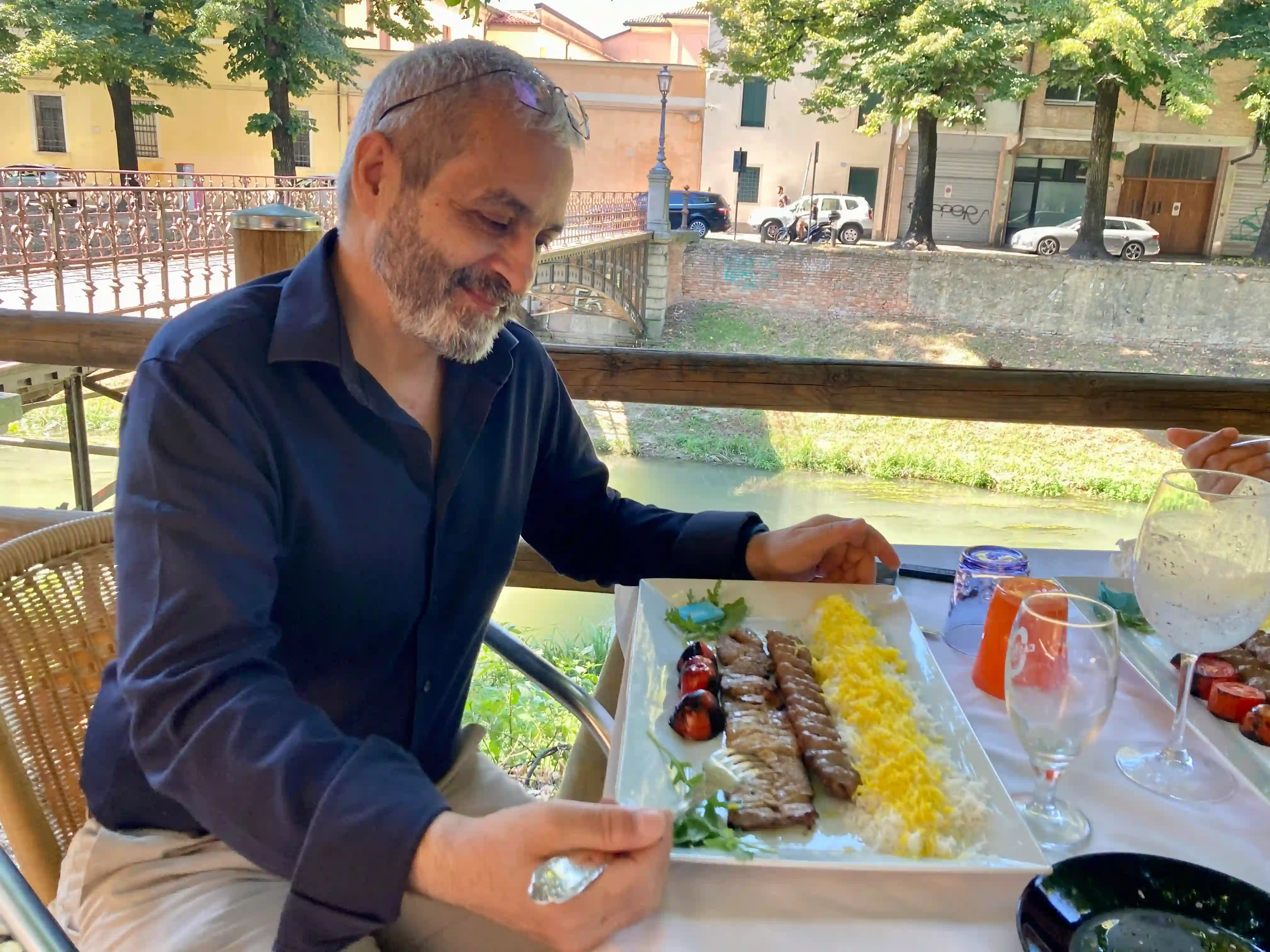
Persian cuisine is appreciated for its balance of herbs, rice, fruit, yoghurt, meat and subtle spices. Dishes such as Chelo Kebab or Sabzi Polo reveal a culinary culture that is refined without being heavy, where complexity often comes from proportion and contrast rather than excess.
Hospitality is just as important as the food itself. Offering fruit, tea, sweets and generous meals is a concrete way of honouring the guest. The same spirit can often be felt in traditional commerce and in the relationship between maker, seller and visitor: conversation tends to be personal, patient and attentive.
This perspective also shapes the way Shahmansouri welcomes visitors in Verona, whether they are looking for Persian rugs, decorative objects or practical advice.
Religious communities and cultural plurality
Modern Iran has a Shia Muslim majority, yet Persian history also includes long-established Christian, Jewish and Zoroastrian communities. This plurality has left traces in architecture, language, urban neighbourhoods, craft traditions and artistic patronage. In places such as Isfahan, for example, Armenian communities played a meaningful role in the circulation of techniques and visual influences.
This layered cultural history helps explain why Persian art cannot be reduced to a single formula. Many rugs, metal objects, miniatures and textiles emerge from settings where local skills and different traditions met over time.
Decorative arts, poetry and visual identity
In Persian culture ornament is never a trivial afterthought. Floral rhythms, medallions, garden structures, calligraphy and carefully balanced colours create a recognisable language that runs through rugs, ceramics, textiles, miniatures and inlaid work. This is why learning about Persian culture adds depth to the reading of any handmade object.
Our pages on carpets, Persian crafts and Persia expand on this relationship between place, culture and making. Visitors who want a broader overview can also explore the Persian rug guide, where weaving schools are presented in their geographic and historical setting.
Useful Persian words
A few basic expressions can make the cultural setting feel closer and more human.
- yes / no - bale / na
- thank you - mersi or tashakor
- hello - salam
- good morning - ruz bekheir
- good evening - shab bekheir
- how are you? - hale shoma khubeh?
- excuse me - bebakhshid
- carpet - farsh
- tea - chai
- bread - nan
- water - ab
- chicken - morgh
- red - ghermez
- blue - abi
- green - sabz
A cultural bridge from Verona
For Shahmansouri, speaking about Persian culture means offering context rather than decorative folklore. A Persian rug, a painted ceramic or a khatam object becomes easier to understand when connected to a city, a household tradition or a celebration such as Nowruz. In our shop in the historic centre of Verona, this dialogue between objects and culture remains an important part of the experience.
If you would like to explore Persian rugs, kilims and selected crafts in person, visit the Contacts page or browse the available selection in the online catalog.